Causes of the Russia–Ukraine War
1. Political Causes —
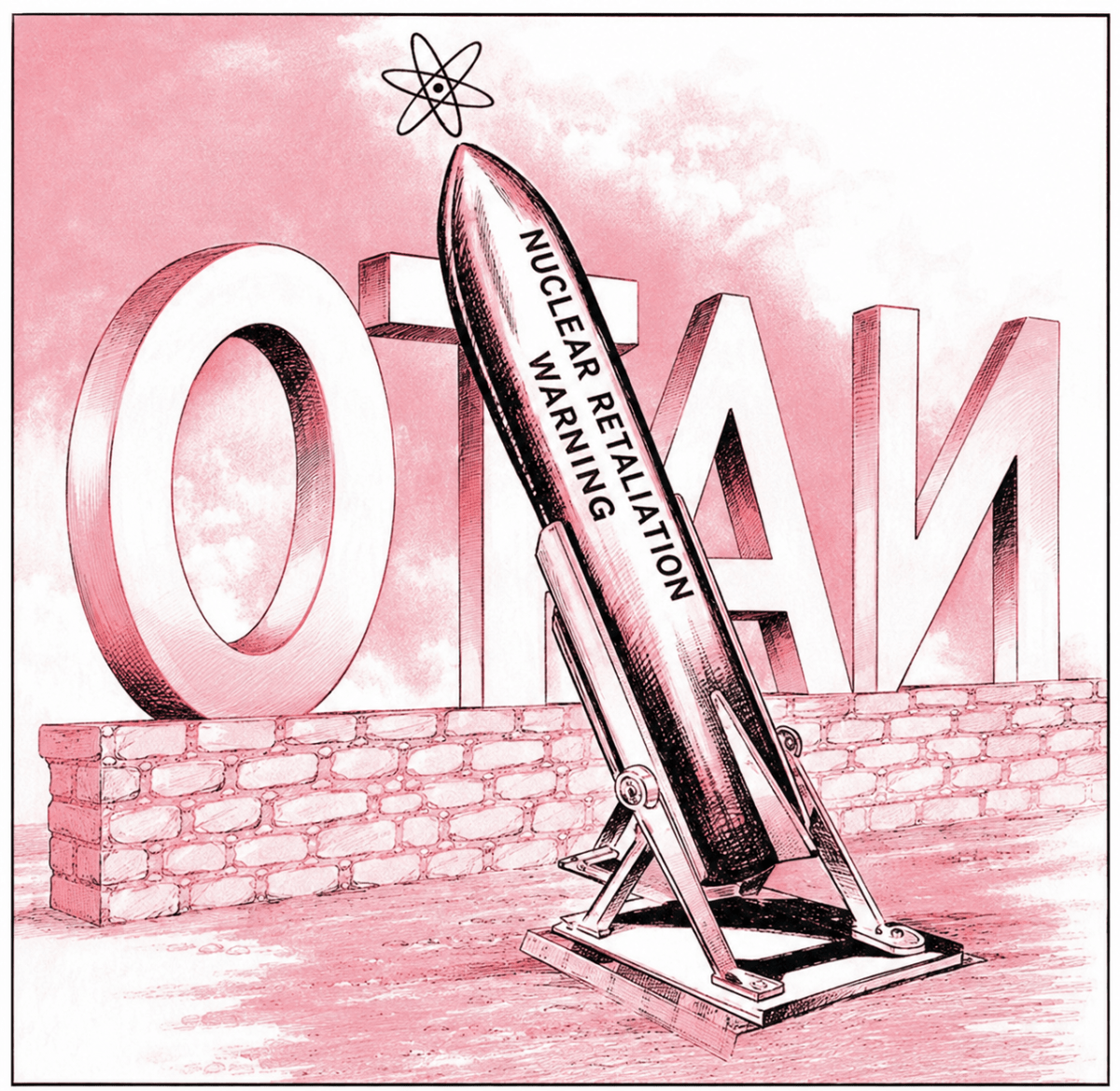
(i) Opposition to NATO Expansion: Russia strongly opposed Ukraine's efforts to join NATO, fearing Western military presence near its borders.
(ii) Pro-Western Government in Ukraine: After the 2014 Euromaidan Revolution, Ukraine’s new leadership shifted away from Russian influence and moved closer to the European Union and the West.
(iii) Loss of Russian Political Influence: Russia wanted to regain influence over Ukraine, which it sees as part of its geopolitical sphere.
2. Military and Strategic Causes —
(i) Security Concerns: Russia viewed Ukraine’s growing ties with the West as a threat to its national security.
(ii) Build-up of Russian Troops: Russia stationed large numbers of troops along Ukraine's borders, preparing for conflict under the pretext of national defense.
(iii) Use of Proxy Forces: Russia supported armed separatist groups in Eastern Ukraine (Donetsk and Luhansk) to destabilize the region and weaken Ukraine.
3. Economic Causes —
(i) Control over Natural Resources and Trade Routes: Russia is interested in Ukraine’s strategic location, fertile land, and energy pipelines that supply gas to Europe.
(ii) Preventing Ukraine’s EU Integration: Russia feared losing trade influence if Ukraine fully integrated into the European Union’s economy.
4. Historical and Cultural Causes —
(i) Claim over Historical Unity: Russia claims that Ukraine is historically a part of Russian civilization, questioning its independence and nationhood.
(ii) Annexation of Crimea (2014): Russia had already seized Crimea from Ukraine, which escalated tensions and was seen as the first major step toward conflict.