Very Short Answer Questions: Source-based

ICSE Class 10 History & Civics · Competency Practice · 15 solved questions

Exercise
Marks
332 Marks · Very Short Answer Questions: Source-Based

29th March 2023, The Hindu reported:
Opposition MPs, in this case, largely the Congress legislature party, are mooting an idea of a resolution against Lok Sabha Speaker Om Birla for being “unfair” to the opposition.

What is the consequence when the Lok Sabha moves a resolution against the Speaker? In the above case, do you think the resolution would have led to such a consequence? Why?

Show SolutionHide Solution↓

If the resolution is passed with majority in the Lok Sabha, the Speaker will have to vacate the office.

In the above case, the resolution would not have passed as the Opposition (Congress) lacked majority.
342 Marks · Very Short Answer Questions: Source-Based

14th December 2023, The Hindustan Times reported:
Parliament session highlights: Total 13 opposition MPs suspended, SR Parthiban’s suspension revoked.

Who can suspend the members from the Lok Sabha? Mention any one probable circumstance under which he/she can suspend the members.

Show SolutionHide Solution↓

The Speaker of the Lok Sabha can suspend the members from the Lok Sabha. One probable circumstance for suspension is lack of discipline.

352 Marks · Very Short Answer Questions: Source-Based

2nd February 2024, the ANI reported:
Centre notifies appointment of Chief Justices of seven different High Courts.

Can the Centre remove the judges? Give a reason for your answer.

Show SolutionHide Solution↓

No, the Centre cannot remove High Court judges. They can be removed only by the President through impeachment on grounds of proved misbehaviour or incapacity, with a two-thirds majority in both Houses of Parliament. This ensures judicial independence.

362 Marks · Very Short Answer Questions: Source-Based

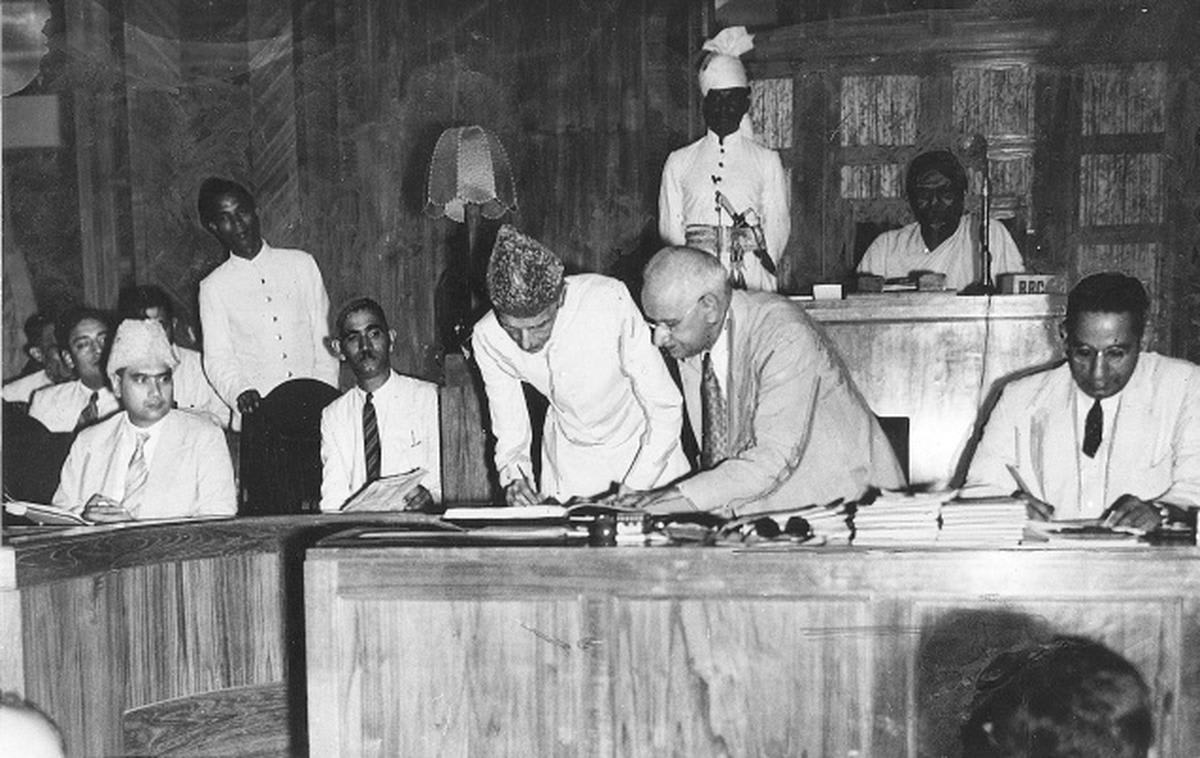
With reference to the picture given below, state any two significant outcomes of the pact signed in 1916 between the Indian National Congress and the All-India Muslim League.

With reference to the picture given below, state any two significant outcomes of the pact signed in 1916 between the Indian National Congress and the All-India Muslim League. Competency Focused Practice Questions History and Civics Solutions ICSE Class 10.
Show SolutionHide Solution↓

Significant Outcomes of the Lucknow Pact 1916 —

  1. Hindus and Muslims, and Early and Assertive Nationalists got united and started working together which demoralised the British Government of India.
  2. The Pact led to the gradual development of Self-Governing Institutions.
372 Marks · Very Short Answer Questions: Source-Based

Read the excerpt given below and answer the question that follows:

News outlets played a big role in instigating the dispute around the bill, sparking outrage in Britain and India, as the political press "to influence government legislation for India" for the first time. The Gazette, the Times, and other newspapers continued to release statements condemning the bill and criticising the desire to "please the native community at any cost". The widespread news reports invoked more opposition from those in Britain regarding the need to bring in judicial equality.
Source: Wikipedia

Which Bill is being referred to in the above passage? What was its implication on the Indian judicial system?

Show SolutionHide Solution↓

Ilbert Bill (1883) is being referred to in the above passage. This bill provided for the trial of British or European persons by Indians. By this act, the British tried to introduce equality between British and Indian judges in India.

382 Marks · Very Short Answer Questions: Source-Based

He led a movement in India that called for the creation of a new social order in which no one would be subordinated to the upper-caste Brahmans. He also fought for women's rights, believing that education was essential to bringing about social change.

Identify the social reformer from the given passage. Name the organisation he established in 1873 with the aim of securing social justice for the weaker sections of society.

Show SolutionHide Solution↓

The social reformer being talked about is Jyotiba Phule. He established the Satya Shodhak Samaj in 1873 with the aim of securing social justice for the weaker sections of society.

392 Marks · Very Short Answer Questions: Source-Based
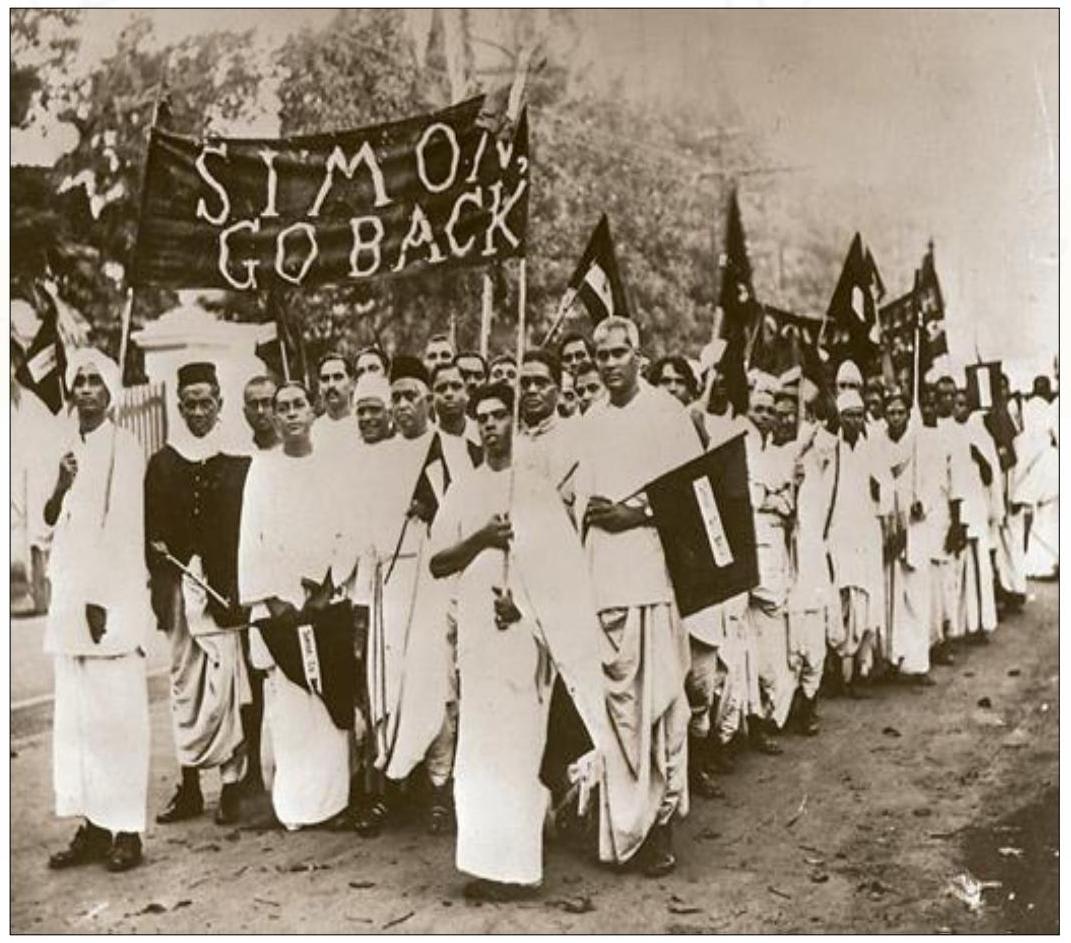
Identify the event associated with the above-mentioned slogan. (b) Why did the Indian leaders decide to boycott the event? Competency Focused Practice Questions History and Civics Solutions ICSE Class 10.

(a) Identify the event associated with the above-mentioned slogan.

(b) Why did the Indian leaders decide to boycott the event?

Show SolutionHide Solution↓

(a) The event associated with the above-mentioned slogan is Simon Commission.

(b) Indian leaders boycotted the Commission because it had no Indian members, which was seen as a denial of self-determination and an insult to the self-respect of the Indians. Major political parties, including the Congress, Muslim League, and Hindu Mahasabha, opposed it.

402 Marks · Very Short Answer Questions: Source-Based
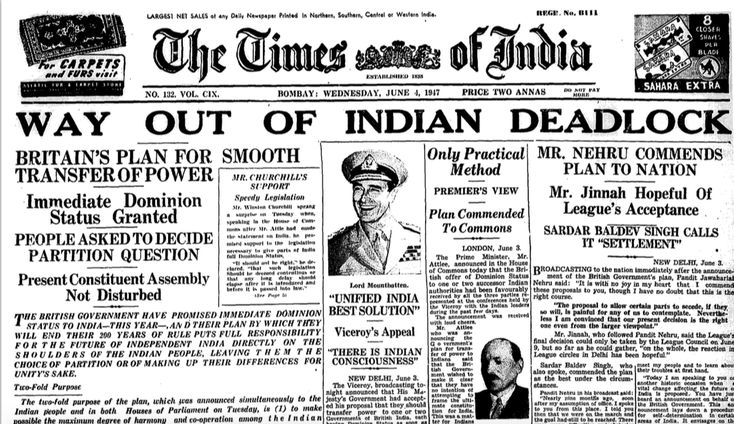
With reference to the above newspaper article, state any two reasons for the acceptance of the Mountbatten Plan. Competency Focused Practice Questions History and Civics Solutions ICSE Class 10.

With reference to the above newspaper article, state any two reasons for the acceptance of the Mountbatten Plan.

Show SolutionHide Solution↓

Two reasons for the acceptance of the Mountbatten Plan were:

  1. Large scale communal riots engulfed the whole country. The only solution to the communal problem was the Partition of India.
  2. The only alternative to Partition was a Federation with a weak centre. A smaller India with a strong central authority was better than a bigger state with a weak centre.
412 Marks · Very Short Answer Questions: Source-Based

"It is our duty to pay for our liberty with our own blood. The Freedom that we shall win through our sacrifice and Exertions, we shall be able to preserve with our own strength."

With reference to the above quote, put forth the slogans given by the great Indian freedom fighter Subhash Chandra Bose.

Show SolutionHide Solution↓

Some of the slogans given by Subhash Chandra Bose were:

  1. Give me blood and I shall give you freedom.
  2. Chalo Delhi.
  3. Jai Hind
422 Marks · Very Short Answer Questions: Source-Based

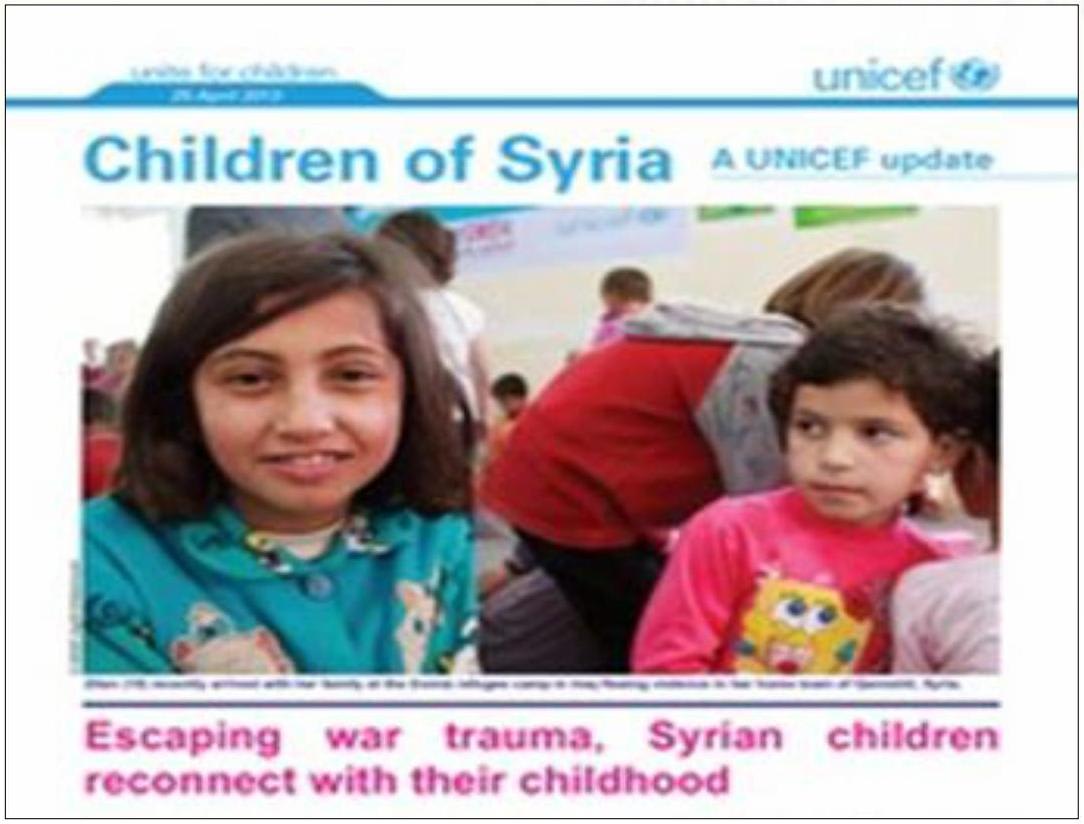
Mention ANY TWO functions of the UN agency associated with the above picture.

Mention ANY TWO functions of the UN agency associated with the above picture. Competency Focused Practice Questions History and Civics Solutions ICSE Class 10.
Show SolutionHide Solution↓

Two functions of UNICEF are:

  1. To protect children in respect of their survival, health and well-being.
  2. To prevent diseases like TB, Malaria, Eye disease, skin disease, etc.
432 Marks · Very Short Answer Questions: Source-Based

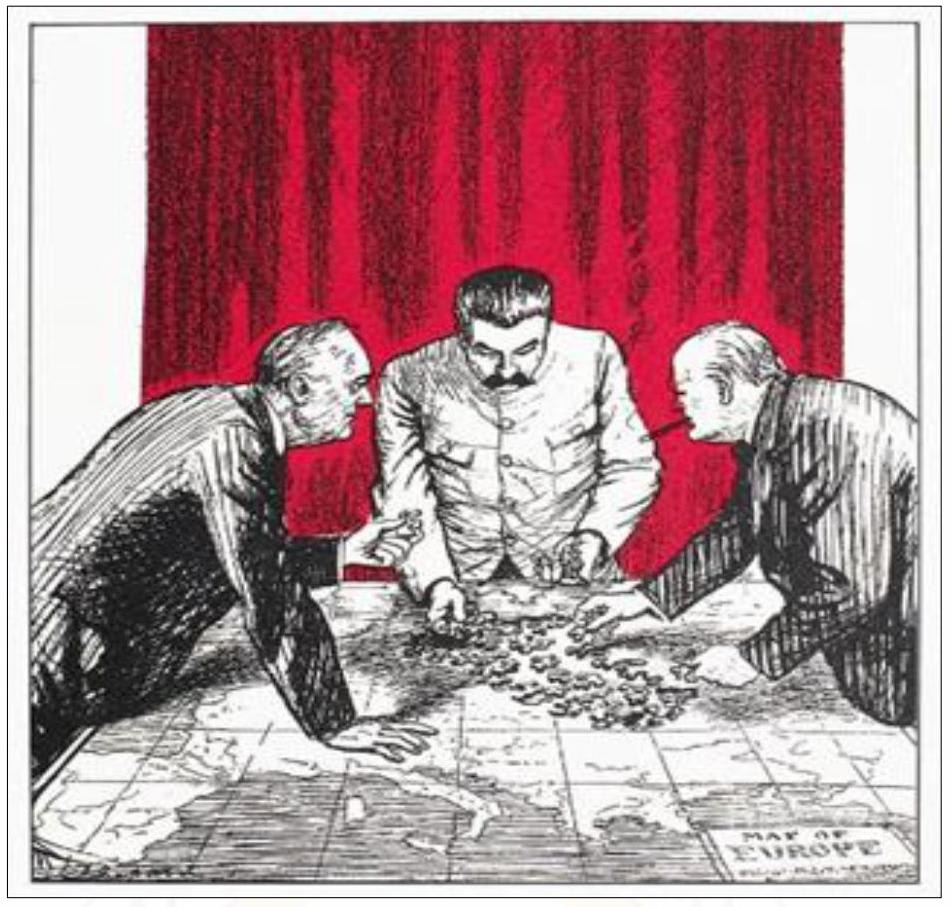
Identify the big three. Name the organisation formed by them after World War II.

Identify the big three. Name the organisation formed by them after World War II. Competency Focused Practice Questions History and Civics Solutions ICSE Class 10.
Show SolutionHide Solution↓

The big three are:

  1. Roosevelt (President of the USA)
  2. Churchill (Prime Minister of Britain)
  3. Stalin (Premier of the USSR).

They led the formation of United Nations Organisation (U.N.O.) on October 24, 1945.

442 Marks · Very Short Answer Questions: Source-Based

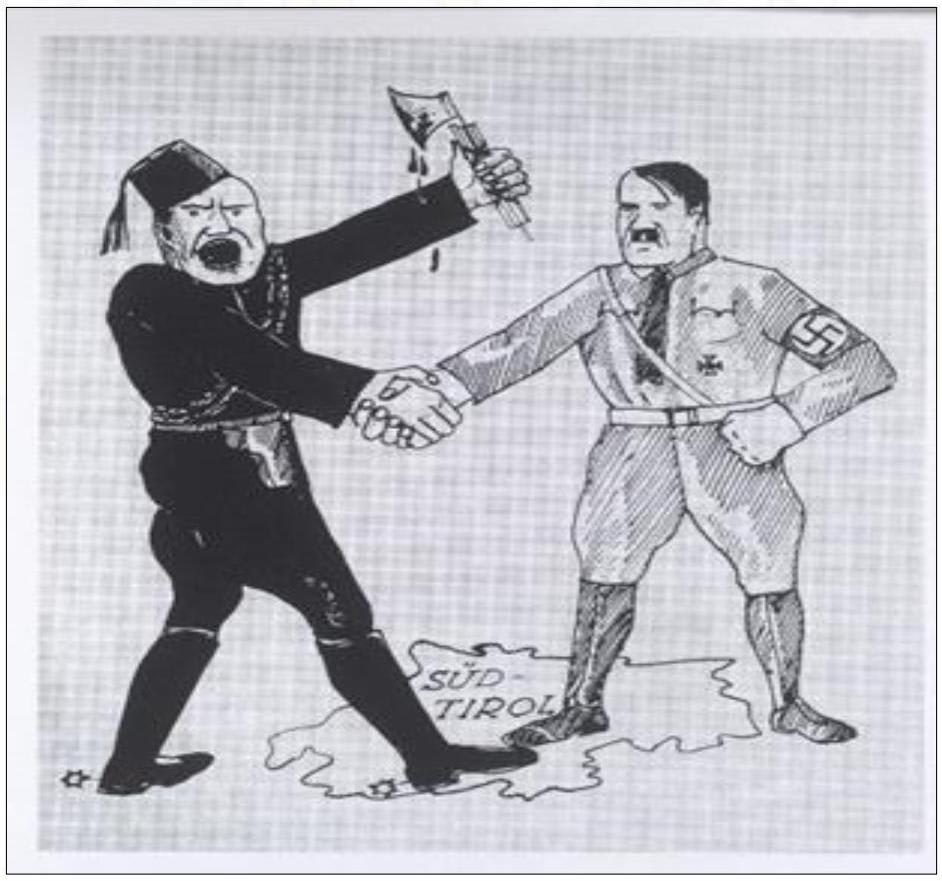
Mention the similarities in the ideologies of the dictators depicted in the below picture.

Mention the similarities in the ideologies of the dictators depicted in the below picture. Competency Focused Practice Questions History and Civics Solutions ICSE Class 10.
Show SolutionHide Solution↓

The dictators depicted in the given picture are Benito Mussolini of Italy and Adolf Hitler of Germany. They promoted the ideologies of Fascism and Nazism respectively.

Similarities between the ideologies of Fascism and Nazism —

  1. To have faith in the totalitarian rule.
  2. To despise democratic political systems.
  3. To hold that the state is supreme and it could suppress the fundamental rights and freedoms of individuals.
  4. To uphold one party and one leader.
  5. To believe in aggressive nationalism and imperialism.
  6. To regard war as an instrument for furthering national interests.
  7. To uphold intensely nationalistic, anti-communist, anti-democratic rule.
452 Marks · Very Short Answer Questions: Source-Based

Read the conversation given below and answer the following questions:

Priscila: The Prime Minister is like a king, he decides everything in our country.

Kiran: Lord Morely described the Prime Minister as ‘primus inter pares’ (first among equals) and ‘keystone of the cabinet arch’. He is the chief executive of the nation and works as head of the Union Government.

Balvinder: The Prime Minister has to consider the expectations of the party members and other support of the government. But after all, the Prime Minister has a greater say in policy-making and in choosing the ministers.

Source(Edited): https://dspmuranchi.ac.in/pdf/Blog/pm.pdf

In light of the above conversation, answer the following.

Do you agree with Priscila's or Kiran's statement? Justify your answer with reference to the position of the Prime minister in our country.

Show SolutionHide Solution↓

I agree with Kiran's statement.

While Priscila compares the Prime Minister to a king, this is not accurate in a democratic parliamentary system like India’s. The Prime Minister is not an absolute ruler, but functions within the framework of the Constitution and the collective responsibility of the Cabinet.

As Lord Morley rightly described, the Prime Minister is the ‘primus inter pares’ (first among equals) among the Council of Ministers. He or she is the head of the Union Government, leads the Cabinet, coordinates the work of various ministries, and plays a key role in policymaking. However, all decisions are made collectively by the Cabinet, and the Prime Minister must maintain the confidence of the Lok Sabha.

Thus, the Prime Minister of India has a leading role but cannot act unilaterally like a king.

462 Marks · Very Short Answer Questions: Source-Based
The Madras High Court has accepted a request made on behalf of a Minister’s wife, for an urgent hearing of a Habeas Corpus petition filed by her accusing the Enforcement Directorate (ED) of not having followed due procedure while arresting her husband early on Wednesday.
**Reference: https://www.thehindu.com

In the situation given above, what does the 'Habeas Corpus' mean? Which bodies in our Country are authorised to issue such orders?

Show SolutionHide Solution↓

'Habeas Corpus' means 'to have the body', i.e., the arrested minister would be presented before the Madras High Court by the Enforcement Directorate. The High Court will justify the legality of the arrest and detention. If the Court finds that the due procedure was not followed, or that the detention is illegal, the detained minister would be immediately released.

The Supreme Court and High Courts are authorised to issue 'Habeas Corpus'.

472 Marks · Very Short Answer Questions: Source-Based

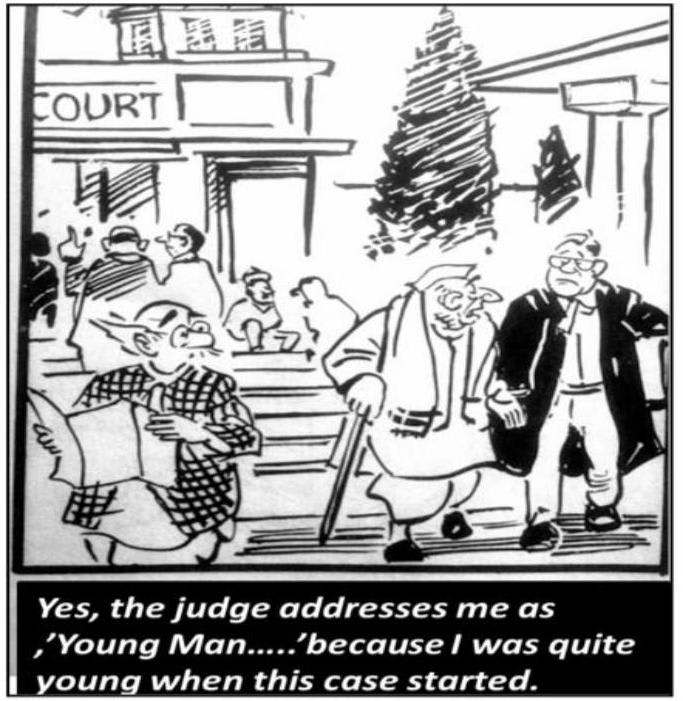
With reference to the picture given above, explain a common problem of the judicial system and how it can be solved through a subordinate court.

With reference to the picture given above, explain a common problem of the judicial system and how it can be solved through a subordinate court. Competency Focused Practice Questions History and Civics Solutions ICSE Class 10.
Show SolutionHide Solution↓

The cartoon highlights delay in the judicial system, where cases remain pending for years, leading to the idea that "justice delayed is justice denied."
Lok Adalats help solve this problem by settling disputes speedily, amicably and at low cost through compromise. They also reduce the burden on regular courts and help clear pending cases.

Press ↓ to reveal a solution and move to the next question. Back to Competency Practice.

Free sample bank