As the case study mentions, JK Tyre & Industries is an industrial company linked to the transport sector, both of which contribute to ecological damage. The company's efforts towards developing 'green tyres' and achieving net zero emissions by 2050 reflect awareness of these damages.
1. Industrialisation as a Cause of Ecological Damage:
Setting up of more and more industries and expansion of existing industrial units is leading to ecological damage in the following ways:
(i) Clearing of Forest Land — Industries require large tracts of land, leading to clearing of forest land and fertile agricultural land. This results in deforestation and loss of natural habitats.
(ii) Loss of Biodiversity — Biological diversity is being lost forever as natural ecosystems are destroyed to set up industries.
(iii) Industrial Waste — Industries produce chemicals, fertilisers, dyes, paints and other waste products that have a direct adverse effect on the environment.
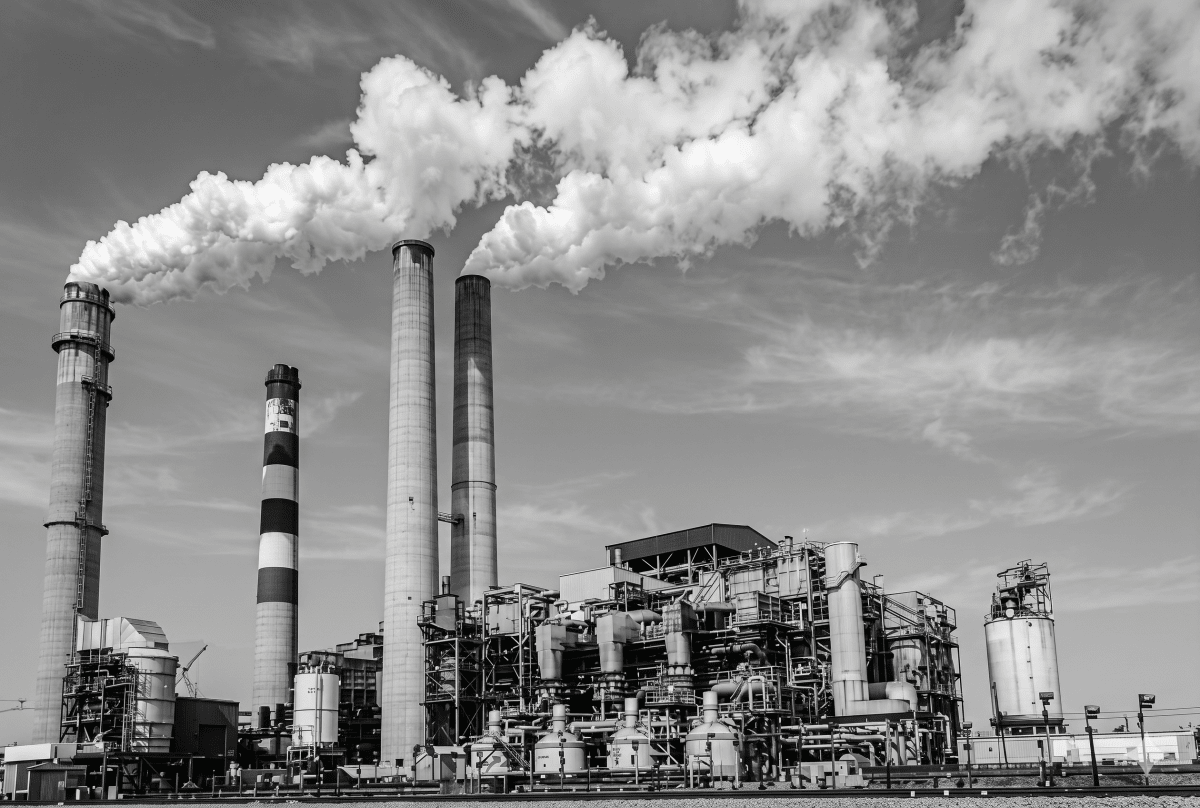
(iv) Air and Water Pollution — Industrialisation is an important cause of air pollution (through emissions of sulphur dioxide, nitrogen oxides and carbon dioxide) and water pollution (through discharge of effluents into rivers and water bodies).
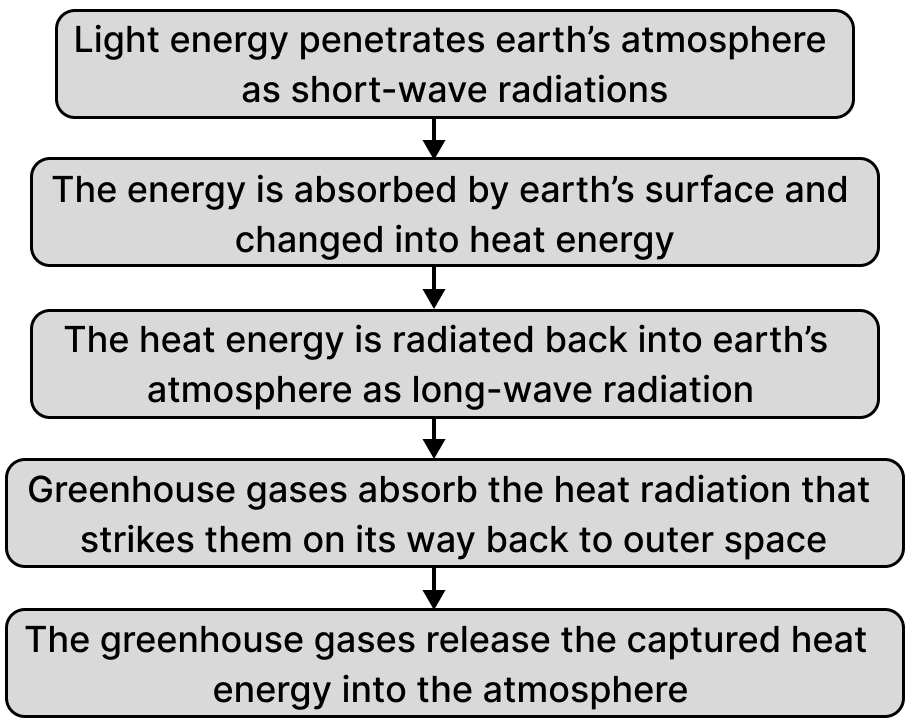
(v) Greenhouse Gas Emissions — Industries are major contributors to greenhouse gases like carbon dioxide, leading to global warming and climate change.
2. Transport as a Cause of Ecological Damage:
For transport facilities, new roads and railway lines are constantly being constructed, causing ecological damage in the following ways:
(i) Encroachment on Natural Habitats — Roads that were once croplands, forests and even wetlands are being occupied. Even in villages, new roads and railways are being constructed.
(ii) Filling of Wetlands — Shallow lakes, ponds and other wetland areas are being filled up due to non-availability of land. This causes destruction of ecosystems and affects migratory birds.
(iii) Construction in Traditional Areas — Traditional ecosystems are being altered to build schools, hospitals, community centres, sports complexes and government offices.
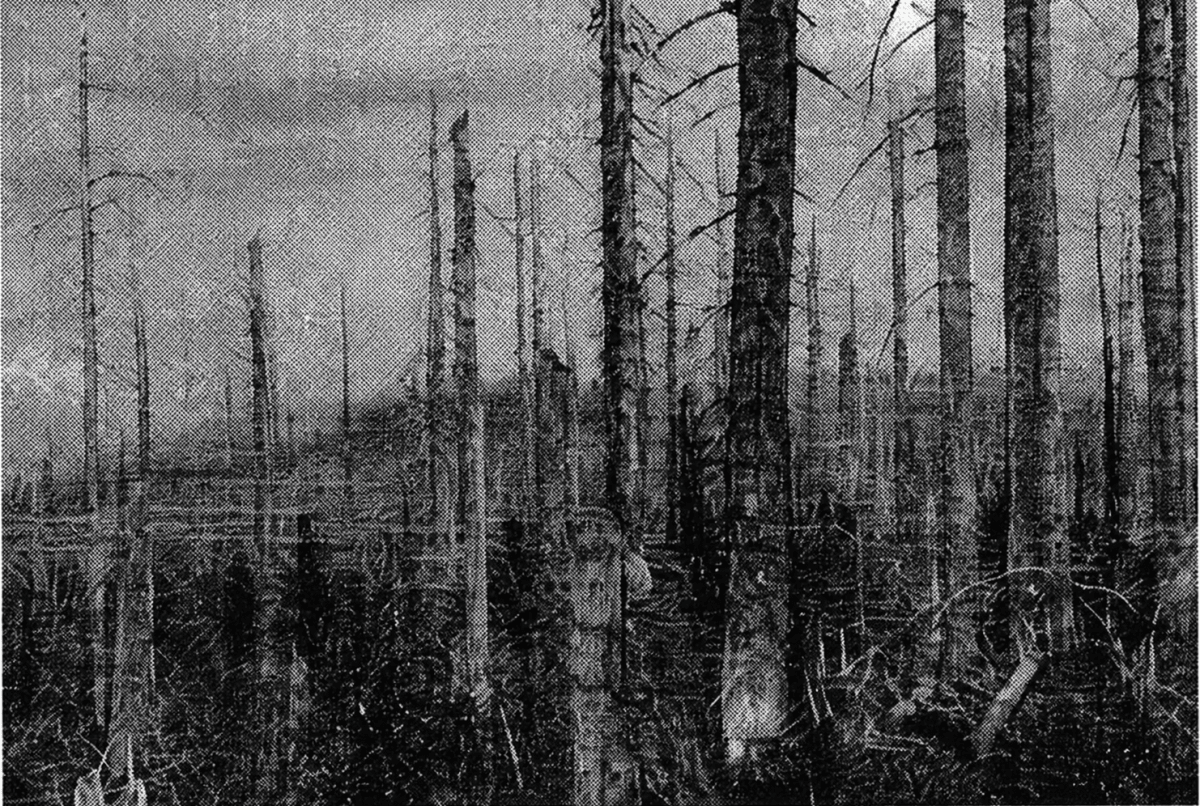
(iv) Vehicular Pollution — Vehicles emit harmful gases like carbon monoxide, nitrogen oxides and particulate matter, causing severe air pollution. This is one of the major contributors to greenhouse effect, smog and acid rain.
(v) Disposal of Tyres and Vehicle Waste — Used tyres and vehicle parts contribute to solid waste pollution, which is why JK Tyres' initiative to develop biodegradable tyres is a positive step.